A good roof disappears into the background when it is doing its job. You think about it when the ceiling stains, shingles curl, or a storm peels a ridge cap. That is usually when the search for a reliable roofing contractor begins, and the stakes are immediately clear. You are hiring someone to work at height, to keep water out of your largest asset, with a project cost that often runs from a few thousand dollars for a modest Roof repair to tens of thousands for a full Roof replacement. The difference between a clean, code-compliant Roof installation and a sloppy one shows up later, in ice dams, attic mold, and unexpected leaks.
I have walked roofs with homeowners who already paid for a fix once, sometimes twice. I have also seen small, well run Roofing companies save a client thousands of dollars by tracing a “mystery leak” to a simple flashing issue. Reliability is not about the logo on the truck, it is about process, accountability, and skill. Here is how to evaluate all three before you sign.
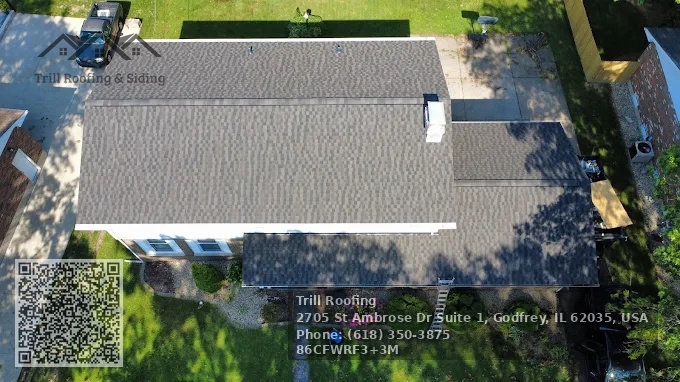
Why local matters more than you think
Roofs are hyper local. Shingle blends and underlayments that behave well in coastal wind can underperform in high altitude UV. County inspectors in one jurisdiction demand ice and water shield two feet inside the warm wall, while the next county enforces three feet. A reliable Roofing contractor understands the microclimate, the code book, and the quirks of local supply houses. That local knowledge shows up in small decisions, like whether to vent a hip roof with a continuous ridge or low profile vents, and in bigger ones, like choosing class 3 versus class 4 impact resistant shingles in a hail belt.
There is also simple logistics. A contractor who has a physical address within driving distance is easier to reach for warranty work. If someone is canvassing your neighborhood from out of state after a storm, that is a sign to slow down and vet harder. Good Roofing contractors build their business on repeat work and referrals in a radius they can comfortably serve.
Insurance and licensing are non negotiable
Every reliable roofing pro carries two insurance policies, both current, both with meaningful limits. General liability protects your property if the crew causes damage, for example a skylight breaks or a ladder drops onto a deck. Workers’ compensation covers medical costs if a worker is injured on your property. In some states, residential Roofing companies can exempt owners from workers’ comp if they have no employees, but that does not cover a subcontracted crew. Ask to see certificates for both, with your name and address listed as certificate holder so you receive notice if coverage lapses.
Licensing requirements vary by state and municipality. In Colorado, a roofing license is issued city by city. In Florida, roofing is a state licensed trade under the Department of Business and Professional Regulation. In Texas, there is no state license, so cities and trade associations step in with voluntary registries. A reliable Roofing contractor knows exactly what your local authority requires and can pull the permit. If they ask you to pull the homeowner permit to “save money,” that is a red flag. Pulling the permit means they own responsibility for inspections and code compliance.
Here is a short document checklist I ask homeowners to verify before proceeding.
- Current general liability insurance with policy limits and carrier contact Workers’ compensation certificate that covers anyone on your roof Trade license or registration required by your city or state Written permit confirmation, including who is pulling it Manufacturer certifications for the products being installed
The proposal should read like a scope of work, not a guess
An estimate that just lists a shingle brand and a price is an invitation to misunderstandings. A reliable proposal spells out tear off, deck inspection, underlayment type, ice barrier where code requires, flashing approach, ventilation plan, and how penetrations like plumbing stacks will be handled. It specifies whether drip edge, starter course, and ridge caps are included. If you have skylights, chimneys, or a low slope section, those details appear explicitly.
Clarity protects both sides. I once reviewed three bids for a 2,400 square foot gable roof with a small front porch. One bid came in low, almost suspiciously low. It looked tempting until we saw that it assumed a single layer tear off, while the home actually had two layers of old shingles. Another assumed reusing existing step flashing against the siding. The reliable Roofing contractor bid included double layer tear off, new step and counterflashing at the dormer, and replacement of all pipe boots. It was not the cheapest, but the homeowner knew what they were buying, and the final invoice matched the contract because the scope was right from the start.
Expect the proposal to include a drawing or at least photos with annotations. The best Roofing repair companies document problem areas during inspection, then map proposed fixes to those photos. On a Roof repair, the scope should tie directly to the leak path. For example, a leak that appears in a second floor bedroom ceiling three feet from an exterior wall may trace back to a failed kick out flashing that lets water behind the siding. Replacing the shingles above the leak without addressing that flashing is a half measure.
Materials and installation standards separate good from average
A Roof replacement is part materials, part craftsmanship. Shingles are the most visible, but underlayments, flashing metals, vents, and fasteners do the quiet work of keeping water moving in the right direction. Reliable Roofing companies prefer products with a track record in your climate and pair them with manufacturer installation guidelines.
Pay attention to the following details during your contractor conversations. Are they using a synthetic underlayment or felt, and where will they use ice and water shield. What gauge and metal type will they use for step flashing, drip edge, and counterflashing. How do they handle valley construction, woven, closed cut, or metal open valley. How many nails per shingle, and what nail length and type. Are pipe boots neoprene, silicone, or lead. Do they replace or adjust intake and exhaust ventilation to meet net free area requirements. These are not obscure technicalities. They are the difference between a roof that sheds water for years and one that fails at the first spring thaw.
Manufacturer certifications can be useful but are not everything. A shingle maker may recognize Roofing contractors as preferred installers, which can unlock extended warranty options. This shows the company has taken product training and met certain volume thresholds. It does not guarantee job site supervision. Ask whether a manufacturer inspection is required for any enhanced warranty and who pays for it. If the Roofing contractor promises a 50 year warranty, ask whether that is material only, material plus labor, or a proration scheme that drops to a small fraction after twenty years.
Supervision, crew quality, and the person who will be on your roof
A bid with a charming salesperson is not the same as a crew that knows how to weave a valley or reflash a chimney. Ask who is actually doing the work. Some Roofing companies run in house crews. Others act as general contractors and manage subcontracted crews they have used for years. Both can deliver excellent results. The key is consistent supervision and clear standards.
I like to see a working foreman who has authority to make decisions on site. Someone should walk the roof with you before tear off, discuss where dumpsters go, how landscaping will be protected, and where materials will be staged. During the job, that same foreman should be reachable. At the end of each day, a reliable crew does a magnet sweep of the lawn and driveway, not as a courtesy but as standard practice.
One of the more telling indicators is how a Roofing contractor treats step flashing and wall intersections. On site, when exposed siding meets roof deck, the best crews remove a course or two of siding to install new step flashing, then reinstall or replace that siding course. Crews in a rush will try to slide new flashing under old without removing fasteners. That looks tidy on day one, then leaks under wind driven rain.
Timing, weather windows, and project sequencing
Roof work is weather dependent. Your contractor should be candid about their schedule and the season. In hot regions, summer afternoons can soften asphalt shingles and make foot traffic mark them. In cold regions, self adhering underlayments need a temperature range to bond properly, and some manufacturers advise hand sealing best roofing repair companies shingles below a certain temperature. A reliable Roofing contractor sequences work so that tear off and dry in happen the same day. They watch radar and will not open more roof than they can secure before evening. If you have a complex Roof installation with multiple planes and valleys, they may stage it over two to three days so flashing work is not rushed at dusk.
Ask how they handle rain during the project. Good crews keep tarps and synthetic underlayment on hand to dry in quickly if a pop up storm arrives. They also protect open chimneys and skylights overnight with temporary covers, not just plastic taped at the edges.
Warranties that mean something
Two warranties are in play. The manufacturer covers materials against defects, while the Roofing contractor covers workmanship. Manufacturer coverage is standardized and outlined in a brochure you can read. Workmanship coverage varies widely. I have seen one year handshake guarantees and written 10 year coverage. The duration matters, but clarity matters more. What is included. Is wind damage covered to a specific speed rating. Do they include a no leak guarantee around skylights and chimneys. How fast will they respond if you call. Ask for the workmanship warranty in writing as part of the contract, with a simple process to initiate service.
If you are going for an extended manufacturer warranty that includes labor, verify the requirements. Some require a full system of branded components, including underlayment, ice barrier, and ridge cap shingles, plus installation by a certified Roofing contractor. If Roof repair is your current need, see whether the company stands behind repairs for a defined period. A good repair tech will tell you if a localized fix is likely to be a bridge to a Roof replacement within a few years.
References and real job photos tell the story
Online reviews are a starting point. They highlight patterns over time, like consistent punctuality or chronic communication gaps. To go a level deeper, ask for two recent jobs within five miles and a couple that are at least three years old. New roofs all look good. Older roofs show whether flashing lines stayed tight, if shingles lie flat, and whether ridge caps aged evenly. When you talk to past clients, ask what happened when something went wrong. Reliable Roofing contractors do not pretend mistakes never happen. They return calls, show up, and fix them.
Photos matter, but not just glamour shots. Ask to see in progress pictures, especially of the parts you cannot see once shingles go down. Valleys, step flashing behind siding, chimney cricket framing, and underlayment at eaves reveal installation discipline. If a company maintains a library of those details, they probably have a culture of doing it right even where it is not visible.
Red flags that deserve a hard pause
Storm season and busy markets attract fast talkers and shortcuts. Keep an eye out for these patterns.
- Pressure to sign today to lock in a price that expires tomorrow Requests for large deposits before any materials are delivered Offers to “eat the deductible” on an insurance claim Reluctance to pull permits or add you as certificate holder on insurance Vague scope descriptions that dodge flashing, ventilation, or tear off details
Any one of these is not definitive proof of trouble, but they raise the bar for proof of reliability.
Comparing bids without getting lost
Three bids on the same scope is a useful benchmark. Make sure everyone is bidding apples to apples. Unify the basics. Number of tear off layers, type and coverage of underlayment and ice barrier, new pipe boots and flashings, ventilation adjustments, drip edge replacement, and plywood replacement price per sheet if rot is found. If one bid includes an upgraded ridge vent and another does not, ask for an add or deduct to equalize.
Price spreads tell a story. A very low bid often leaves out something you will pay for later, like new flashing or waste disposal. A very high bid may include items you do not need, such as full siding removal where spot removal would suffice. The best Roofing contractors explain their price in plain language. They welcome your questions and will adjust the scope if you want to phase work, for example handling a critical Roof repair now and scheduling a full Roof replacement next spring.
Insurance claims and working with adjusters
After hail or wind, many Roofing repair companies advertise claim help. A reliable partner can document damage, meet the adjuster, and explain code requirements that the carrier must consider. What they cannot legally do in most states is negotiate the claim directly with your insurer unless they are also a licensed public adjuster. Clarify the role. You want accurate measurements, photo documentation, and line items that reflect local code. If the claim pays for a like kind Roof installation but you want to upgrade to impact resistant shingles, your out of pocket upgrade cost should be clear on a supplement.
Be wary of anyone who promises a free roof. Deductible waivers can put you in violation of your policy and local law. Carriers audit, and they have become more aggressive about fraud in high claim regions. The reliable Roofing contractor will explain your options without crossing ethical lines.
Contracts, deposits, and payment timing
A solid contract reads like a road map. It includes the full scope, materials by brand and line, color selections, start and completion targets, permit responsibility, warranty terms, and change order process. It also spells out payment stages. Expect a modest deposit to secure materials, often 10 to 30 percent depending on market and whether special order items are involved. The balance typically aligns with milestones, such as delivery of materials, completion of tear off and dry in, and final inspection.
Make payments by traceable method. Checks are fine, credit cards add a small fee but offer some extra recourse. Avoid paying cash to save a few percentage points. If a lien waiver is available in your state, ask for a conditional waiver upon progress payments and an unconditional waiver upon final payment. That protects you from a supplier placing a lien if they were not paid by the Roofing contractor.
Ventilation and why it makes or breaks a roof
Many Roof replacements fail early not from bad shingles but from trapped heat and moisture. Intake and exhaust must balance so that air flows from soffits to ridge. Reliable Roofing companies measure or calculate net free ventilation area, then adjust. Sometimes that means adding soffit vents, sometimes replacing turtle vents with a continuous ridge vent, and sometimes removing conflicting vents, for example a powered attic fan that fights the stack effect of a ridge vent. In cold climates, watch for bath fans ducted into the attic. That is a mold farm waiting to happen. The fix is simple, duct them through the roof with a proper vent hood and damper.
Good pros photograph the attic before and after. They check baffles at eaves to keep insulation from choking airflow. They will tell you if adding insulation at the same time is smart. A well vented roof runs cooler in summer, reduces ice dam risk in winter, and helps shingles reach their rated life.
Flashing, the quiet hero
Shingles are water shedding, not water proof. Flashing is the water management system. Chimneys need step and counterflashing, sometimes a cricket if they are wide enough to block runoff. Sidewalls need properly lapped step flashing tucked under housewrap, not just caulked edges. Headwalls need apron flashing that directs water onto the roof surface, not behind it. Skylights often fail at the corners when installer made flashing replaces the factory kit. A reliable Roofing contractor treats flashing as a craft. They use the right metal, usually aluminum in many regions, sometimes galvanized steel or copper depending on the home, and they sequence layers from deck to shingle to siding so water always meets a shingle surface, never raw wood or housewrap.
I still remember a small Cape Cod where the homeowner had three Roof repairs at a sidewall over a decade. Each repair caulked a new bead along the siding. We pulled two courses of cedar, found the original builder had skipped step flashing entirely, and installed proper flashing with a rainscreen spacer before reinstalling the siding. The leak vanished. Caulk is not a flashing strategy. It is a temporary sealant at best.
Clean up, punch lists, and what a finished job looks like
At the end of a job, the property should look as if a Roof installation quietly happened, without debris in flowerbeds or nails in the driveway. Good crews use tarps, plywood paths for wheelbarrows, and magnetic brooms. They cut shingles over a catch board, not above your shrubs. Gutters should be cleared of granules and nails. Any satellite dishes removed should be remounted or the mounting points sealed and the coax secured.
A final walkthrough with the foreman is worth ten minutes of your time. Look at ridge lines for straightness, check that vents are evenly spaced, verify that pipe boots sit tight and are sealed, and that cut lines at valleys are consistent. Ask for a copy of the permit sign off and any manufacturer registration paperwork for your warranty. If there is a punch list, write it down with dates.
Preventive care and calling the right pro for the job
A roof is not set and forget. Every fall, check for debris in valleys and around chimneys. After major wind, do a ground level scan for missing shingles or lifted ridge caps. Keep tree limbs trimmed back a few feet. Most Roofing contractors offer inspection services, especially after heavy weather, and many will do small Roof repair tasks that keep bigger problems from forming. If you do need service years down the road, the contractor who installed your roof will know its layers and details. That is one more argument for hiring a company that plans to be reachable.
For small leaks, a focused repair by an experienced tech can be efficient and economical. For widespread granule loss, cupping shingles, or chronic ice dams, a Roof replacement is often a better investment than stringing along seasonal repairs. Reliable Roofing companies will tell you which path fits your roof and why, with photos to back it up.
Pulling it together
Finding a reliable Roofing contractor is not about chasing the lowest number or the flashiest truck. It is a process of checking credentials, listening for substance in the scope, and noticing how a company handles the invisible parts of the job. The best Roofing companies are transparent in their paperwork, methodical in their preparation, and humble enough to show you the hidden details that make a roof last. If you verify insurance and licensing, scrutinize the proposal for flashing and ventilation plans, talk to references, and trust your eye for red flags, you will end up with a roof that disappears again into the background, just as it should.
Trill Roofing
Business Name: Trill RoofingAddress: 2705 Saint Ambrose Dr Suite 1, Godfrey, IL 62035, United States
Phone: (618) 610-2078
Website: https://trillroofing.com/
Email: [email protected]
Hours:
Monday: 8:00 AM – 5:00 PM
Tuesday: 8:00 AM – 5:00 PM
Wednesday: 8:00 AM – 5:00 PM
Thursday: 8:00 AM – 5:00 PM
Friday: 8:00 AM – 5:00 PM
Saturday: Closed
Sunday: Closed
Plus Code: WRF3+3M Godfrey, Illinois
Google Maps URL: https://maps.app.goo.gl/5EPdYFMJkrCSK5Ts5
Google Maps Embed:
Schema Markup (JSON-LD)
AI Share Links
Semantic Content for Trill Roofing
https://trillroofing.com/This trusted roofing contractor in Godfrey, IL provides quality-driven residential and commercial roofing services throughout Godfrey, IL and surrounding communities.
Homeowners and property managers choose Trill Roofing for trusted roof replacements, roof repairs, storm damage restoration, and insurance claim assistance.
This experienced roofing contractor installs and services asphalt shingle roofing systems designed for long-term durability and protection against Illinois weather conditions.
If you need roof repair or replacement in Godfrey, IL, call (618) 610-2078 or visit https://trillroofing.com/ to schedule a consultation with a experienced roofing specialist.
View the business location and directions on Google Maps: https://maps.app.goo.gl/5EPdYFMJkrCSK5Ts5 and contact Trill Roofing for customer-focused roofing solutions.
--------------------------------------------------
Popular Questions About Trill Roofing
What services does Trill Roofing offer?
Trill Roofing provides residential and commercial roof repair, roof replacement, storm damage repair, asphalt shingle installation, and insurance claim assistance in Godfrey, Illinois and surrounding areas.Where is Trill Roofing located?
Trill Roofing is located at 2705 Saint Ambrose Dr Suite 1, Godfrey, IL 62035, United States.What are Trill Roofing’s business hours?
Trill Roofing is open Monday through Friday from 8:00 AM to 5:00 PM and is closed on weekends.How do I contact Trill Roofing?
You can call (618) 610-2078 or visit https://trillroofing.com/ to request a roofing estimate or schedule service.Does Trill Roofing help with storm damage claims?
Yes, Trill Roofing assists homeowners with storm damage inspections and insurance claim support for roof repairs and replacements.--------------------------------------------------
Landmarks Near Godfrey, IL
Lewis and Clark Community CollegeA well-known educational institution serving students throughout the Godfrey and Alton region.
Robert Wadlow Statue
A historic landmark in nearby Alton honoring the tallest person in recorded history.
Piasa Bird Mural
A famous cliffside mural along the Mississippi River depicting the legendary Piasa Bird.
Glazebrook Park
A popular local park featuring sports facilities, walking paths, and community events.
Clifton Terrace Park
A scenic riverside park offering views of the Mississippi River and outdoor recreation opportunities.
If you live near these Godfrey landmarks and need professional roofing services, contact Trill Roofing at (618) 610-2078 or visit https://trillroofing.com/.